
Faster Page Loads
Initial page load dropped from 18 seconds to under 3 seconds, enhancing user experience and reducing frustration.
Azati audited and optimized an application for an international staffing agency. Critical issues were identified and resolved, resulting in enhanced performance, new features, and an improved user experience. These changes led to faster loading times and increased application stability, successfully stopping the decline in the user base.
initial page load time (was 18s)
increase in back-end performance
reduction in RAM consumption


The staffing agency faced a decline in user base due to slow load times, unstable performance, and poor application architecture. Azati’s goal was to audit the platform, identify bottlenecks, improve back-end and front-end efficiency, and implement a roadmap for future improvements, ensuring scalability, stability, and better user experience.
The initial solution lacked proper structure, relying on a mix of separate functions created with various paradigms. This caused unstable core features and made it difficult to scale the application or safely introduce new functionalities. Azati conducted a full architectural audit and proposed a modular, maintainable structure to stabilize core functionality and enable long-term scalability.
The back-end was built with Ruby on Rails and the front-end used Angular.js (Angular 1), resulting in extremely slow page loads, up to 18 seconds initially, and poor responsiveness. Azati suggested optimizing the existing stack by refactoring code, removing outdated patterns, and enhancing front-end performance through pagination, caching, and optimized scripts, dramatically reducing load times.
The absence of unit and functional tests made adding new features risky, as updates could break existing functionality. Azati implemented automated test coverage for critical application logic, allowing safer feature releases, reducing regression risks, and increasing overall reliability of the platform.
The previous team used too many Ruby Gems for simple tasks, leading to high memory consumption, low performance, and inefficient data workflows. Azati proposed removing unnecessary packages, simplifying code workflows, and optimizing SQL queries and data processing, which improved back-end performance and reduced memory usage.
Conducted a detailed audit to identify the most critical performance and architecture issues, creating a clear roadmap for improvements.
Simplified the codebase, removed redundant patterns and packages, optimized workflows, and reduced memory consumption to improve performance and stability.
Refactored long SQL chains into efficient queries, reducing database calls and accelerating data retrieval.
Implemented pagination, asset caching, and optimized JS scripts to reduce initial load times and accelerate user interactions.
Introduced i18n localization for French and German users, extending platform accessibility to international teams.
Created automated unit and functional tests covering critical features to minimize regression risks and ensure reliability.
Bring your complexity. We'll bring the plan. Tell us about your project and we'll get back within one business day.
Inquire for more infoA redesigned application architecture that ensures reliability, long-term scalability, and optimal performance under load. Supports efficient modular expansion for future feature additions.
Implementation of multilingual capabilities using i18n, enabling users from multiple countries to access the platform seamlessly in their native languages.
Refactored database workflows and optimized memory usage to improve application efficiency, reduce server load, and speed up data retrieval processes.
Optimized the front-end by reducing page load times, implementing pagination, and caching assets to improve the user experience across all devices.
Introduced automated unit and functional tests covering critical application logic to reduce regression risks and ensure stability during feature updates.
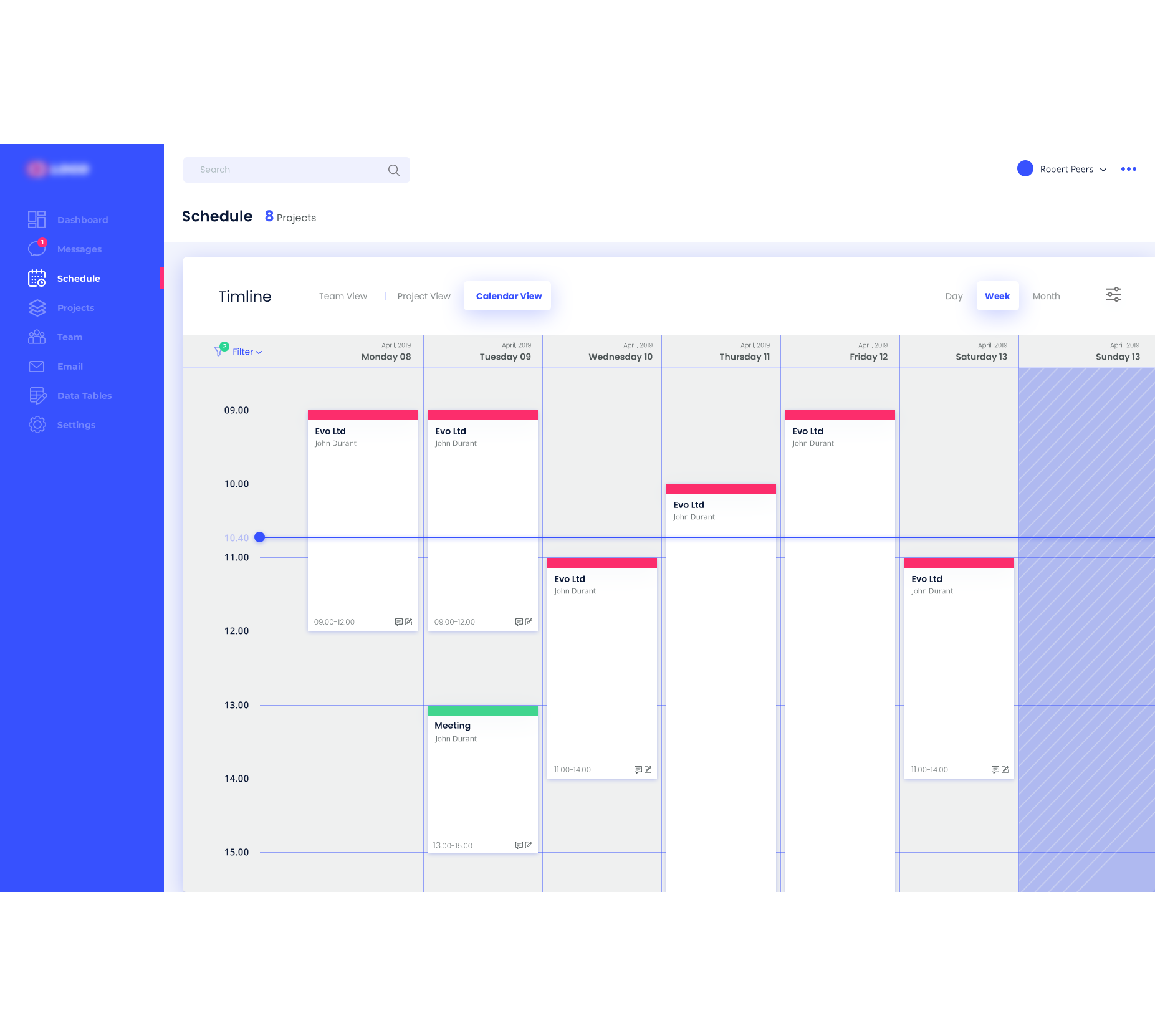
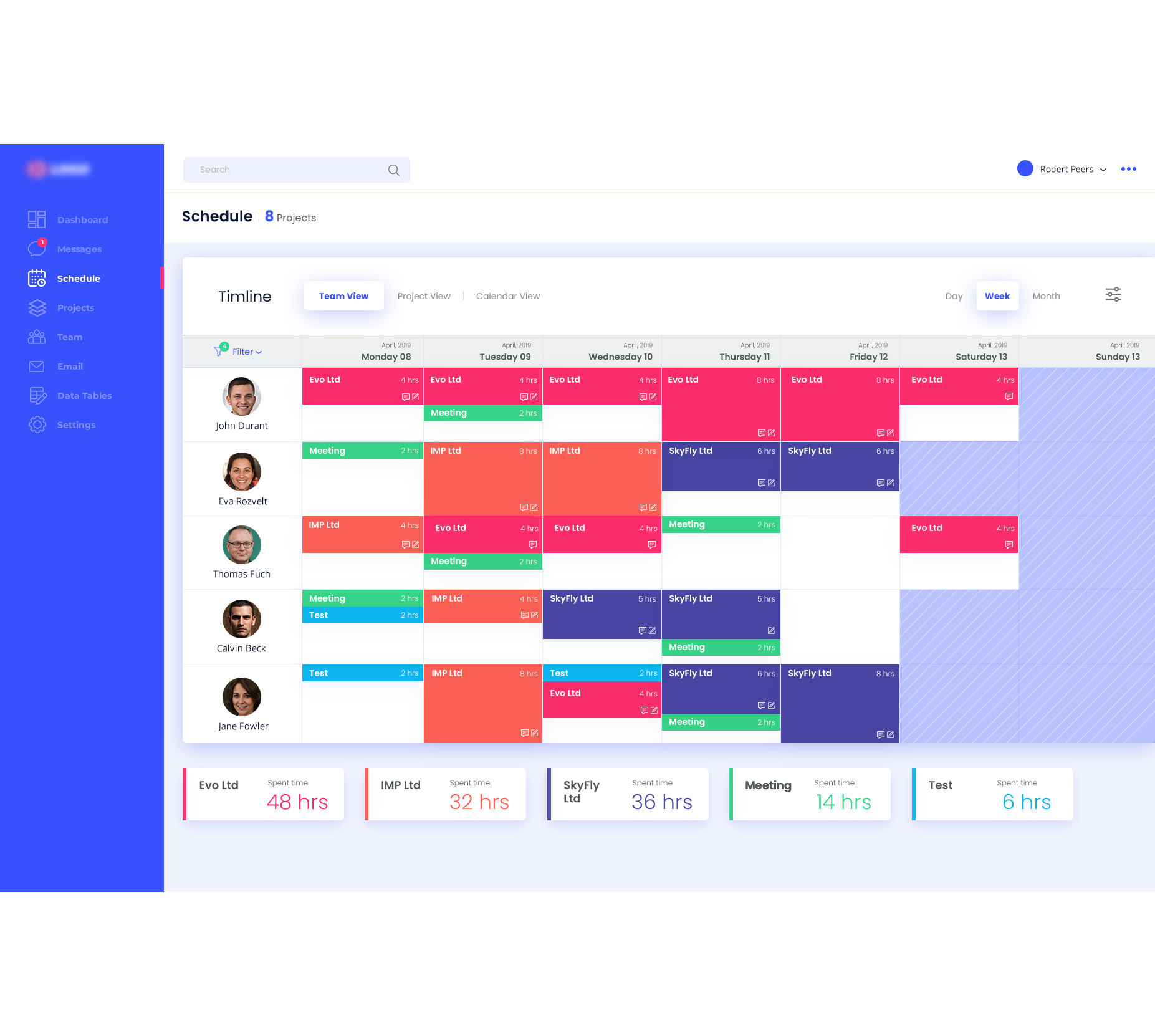
Initial page load dropped from 18 seconds to under 3 seconds, enhancing user experience and reducing frustration.
Optimizations led to a 43% increase in back-end performance, supporting more concurrent users and higher workload.
RAM consumption decreased by 20%, lowering hosting costs and improving stability.
Stabilized the platform and stopped the decline in user base, improving engagement and confidence in the system.

Influencer marketing platform modernization: 5+ applications, ~200K creators & 12K+ advertisers across 18 markets — React Native upgrades, AI-powered campaign analytics, contract workflows, and internationalization delivered alongside feature development without a roadmap freeze.

Enterprise task management platform frontend: task entities, computed fields, filtering, and epic/story dependency modeling, built on React, TypeScript, MobX, and Feature-Sliced Design.

Custom Redmine plugin: department reporting, automated time logging reminders, leave management, and branded theme built in Ruby on Rails for 350+ person software company.

5+ years of backend engineering on a global EdTech platform: 1M+ students, LMS integrations, zero-downtime at billion-record scale.

Custom Redmine plugin development and full-stack upgrade for a DevOps MSP, 30+ plugins adapted, Ruby 3 and Rails 7 migration, zero business disruption.

Mobile app with CNN model for automated steak marbling quality assessment.
Last updated
